Prompt Engineering Best Practices
Prompt Engineering Best Practices
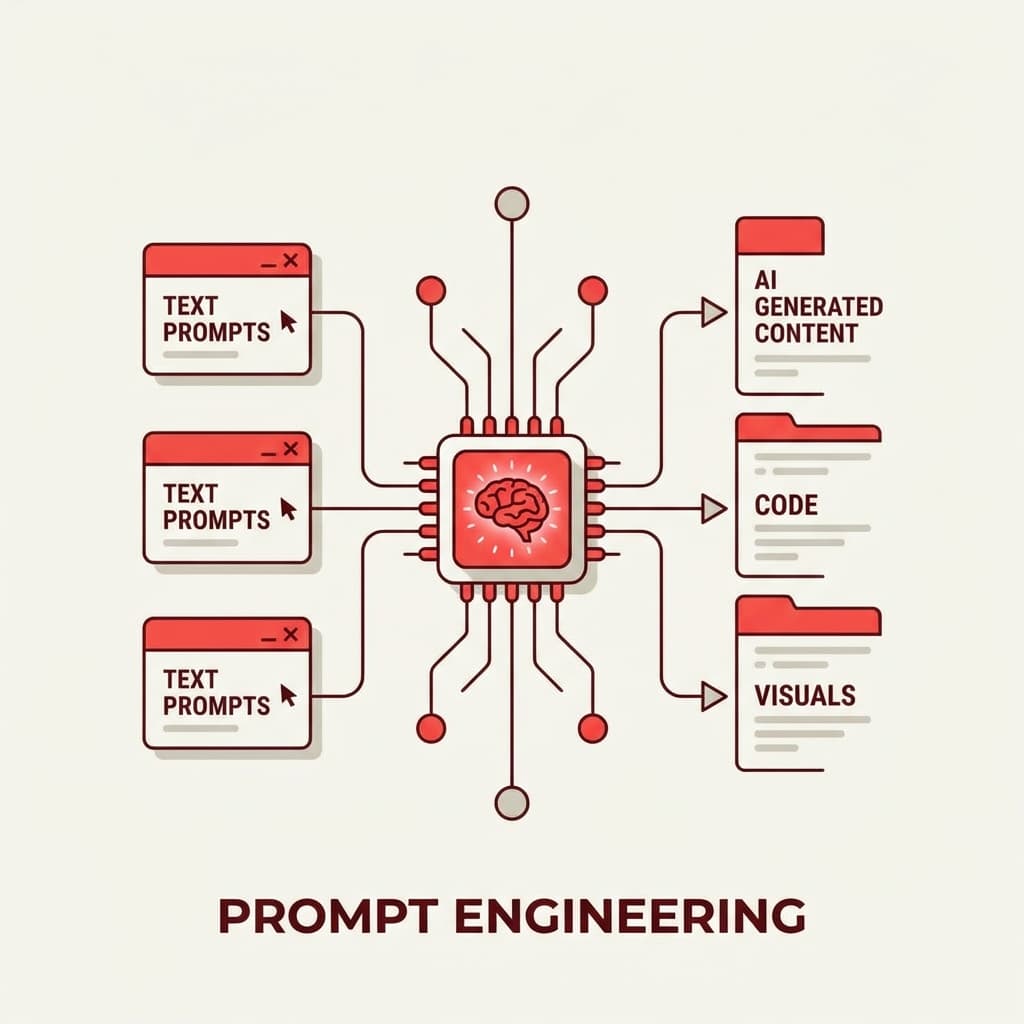
Prompt engineering is the art and science of communicating effectively with AI models. The right prompt can mean the difference between mediocre and exceptional results.
Core Principles
Be Specific
Vague prompts get vague responses. Instead of "Write about dogs," try "Write a 200-word introduction to golden retrievers as family pets, highlighting their temperament and exercise needs."
Provide Context
Give the model the information it needs:
- Background on the task
- Relevant constraints
- Target audience
- Desired format
Define the Output Format
Be explicit about structure:
- JSON schema
- Markdown headers
- Bullet points
- Code with comments
Effective Techniques
Few-Shot Learning
Provide examples of desired input-output pairs:
Convert to formal language:
Casual: hey whats up
Formal: Hello, how are you doing?

Casual: gonna grab lunch brb
Formal: I will be stepping away briefly for lunch.

Casual: {user_input}
Formal:
Chain of Thought
Ask the model to show its reasoning:
Solve this step by step:
If I have 3 apples and buy 2 more bags of 5 apples each,
how many apples do I have?

Let's think through this:
1. Starting apples: 3
2. ...
Role Prompting
Assign a persona to shape responses:
You are an expert Python developer with 15 years of
experience. Review this code and suggest improvements
focusing on performance and readability.
System Prompts
Set persistent context and rules that apply to all messages:
You are a helpful coding assistant. Always:
- Write clean, documented code
- Consider edge cases
- Suggest tests when relevant
- Follow PEP 8 for Python
Common Mistakes
Too Little Context
❌ "Fix this code" ✅ "This Python function should parse JSON from an API response and extract user IDs, but it's raising a KeyError. Here's the code and sample input..."
Ambiguous Instructions
❌ "Make it better" ✅ "Improve readability by adding docstrings and type hints"
Contradictory Requirements
❌ "Be concise and thorough" ✅ "Provide a 2-paragraph summary covering the key points"
Iteration Strategy
- Start simple: Get a baseline result
- Identify gaps: What's missing or wrong?
- Add specificity: Address the gaps
- Test edge cases: Try unexpected inputs
- Refine: Polish based on results
Advanced Patterns
Self-Consistency
Generate multiple responses and aggregate:
- Useful for reasoning tasks
- Reduces random errors
Metacognition
Ask the model to evaluate its own confidence:
Rate your confidence in this answer from 1-10 and explain why.
Conclusion
Prompt engineering is a skill that improves with practice. Start with clear, specific prompts and iterate based on results. The investment in better prompts pays dividends in output quality.